Informatik vernetzt!
Auch in der digitalen Welt gewinnen Ländergrenzen zunehmend an Bedeutung und prägen die Entwicklung. Gleichsam ist sie nicht einfach geografisch abzustecken. Dafür sind wir im stetigen Austausch mit den internationalen Partnerorganisationen, um Herausforderungen gemeinsam zu begegnen und eine gemeinsame Richtung zu finden.
Better together
Luis Fernández-Sanz ist Präsident des europäischen Dachverbands CEPIS. Er setzt sich dafür ein, Europas Informatikgesellschaften stärker zu vernetzen und ihre gemeinsame Stimme in Politik, Wirtschaft und Bildung zu stärken. Mit Konferenzen wie Skill[set] schafft CEPIS Raum für den Austausch über digitale Kompetenzen, IT-Professionalität und die Folgen des technologischen Wandels.
Zwischen Forschungsdaten und Robotern
Auf der KI2026 in Bremen zeigte NFDIxCS, wie Forschungsdatenmanagement und künstliche Intelligenz zusammengedacht werden können. Das Konsortium stellte den Research Data Management Container sowie sein neues Whitepaper „AI in Research Data Management“ vor – am Messestand, zwischen Robotern und bei einer Posterpräsentation auf der Weser.
Digital GreenTalents: Globale Vernetzung bei der SummerSchool 2026
In der heißesten Juniwoche kamen nahe Frankfurt 30 internationale Nachwuchswissenschaftler*innen zur Digital GreenTalents SummerSchool zusammen. Sie forschen alle an der Schnittstelle von Digitalisierung und Nachhaltigkeit – ob zum Klimawandel, Wasser, Energie, Landwirtschaft oder Smart Cities.
Zahlreiche Vorträge, Workshops, Exkursionen und Abendaktivitäten boten Raum gemeinsam zu diskutieren. Neben neuen Erkenntnissen nahmen die Teilnehmenden vor allem ein wertvolles internationales Netzwerk mit nach Hause – die beste Grundlage für künftige Kooperationen. Denn die Herausforderungen unserer Zeit lassen sich nur grenzüberschreitend bewältigen.
Better together
What can Europe’s informatics societies achieve by joining forces? Luis Fernández-Sanz, President of the Council of European Professional Informatics Societies (CEPIS), discusses the value of cross-border collaboration and the challenges posed by rapid technological change.
Interview: Paul Reinelt
What is the benefit of a European network like CEPIS?
Our member societies already have the capacity to make an impact on professional practice and business at national and international level. Through CEPIS, they gain better access to European opportunities: greater influence among stakeholders, wider dissemination, privileged information, funding and new activities. Above all, they benefit from a network of expertise and opportunities to collaborate through expert groups, meetings and events.
How do the priorities and challenges of these societies differ across European countries – and what do they have in common?
Across Europe, professionals and informatics experts face the rapid evolution of technology and the market, as well as the ongoing need to show how they contribute to business, society and Europe as a whole. Developments in AI, cybersecurity and quantum computing demand even greater efforts from our societies. These challenges are widely shared, while national priorities are also shaped by legislation, local initiatives, markets and each society’s structure and context.
Which topics have shaped the work of CEPIS the most in 2025 and 2026?
Our work has been guided by our strategic plan and supported by our expert groups, which contribute to three strategic pillars: digital education and skills, IT professionalism and IT for the good of Europe. In 2025 and 2026, we focused on defending privacy, promoting educational initiatives, analysing skills frameworks, encouraging diversity and contributing to European Commission consultations. One initiative that brings several of these areas together is the Skill[set] conference, which will take place in Berlin in December 2026.
Can you tell us more about Skill[set] and the idea behind the conference?
There are many events focusing on specialised technical fields, but very few bring together digital skills, IT professionalism and digital education. Given CEPIS’s long history of representing IT professionals and promoting education and training, this is a natural focus for us. The first two editions of the conference (formerly known as ICODSIP) in Spain in 2024 and 2025 helped establish the concept, with the aim of taking Skill[set] across Europe. With its experience in organising successful national events, the GI was the perfect partner to launch this European tour in Berlin. We expect the conference to have a strong impact within CEPIS and among external stakeholders and experts.
What role does CEPIS play in keeping informatics education and professional training aligned with technological change and evolving workplace requirements across Europe?
CEPIS contributes to this challenge through its work on IT professionalism and digital skills with CEN/CENELEC, two European standardisation organisations, and European frameworks such as ESCO and DigComp. Events like Skill[set] provide space to discuss recent developments, while CEPIS and several member societies also contribute through EU-funded projects. The more closely our network is involved in these initiatives, the more likely it is that the perspectives of IT professionals are considered in decisions and solutions.
Looking ahead to 2027, what are the most important topics for CEPIS – and what are you personally looking forward to?
We are currently reviewing the strategic plan approved by our Council in 2022. Our goal is to mobilise CEPIS’s resources and expertise more actively, increasing our impact within member societies and our relevance to policymakers, industry, education, research and the profession. This shared vision should also strengthen collaboration across the network. We need to keep pace with developments in AI and other advanced technologies while continuing our work on professionalism, education, digital literacy, sustainability and diversity. Personally, I look forward to building new alliances with European organisations and partners beyond the EU to further expand our reach and impact.
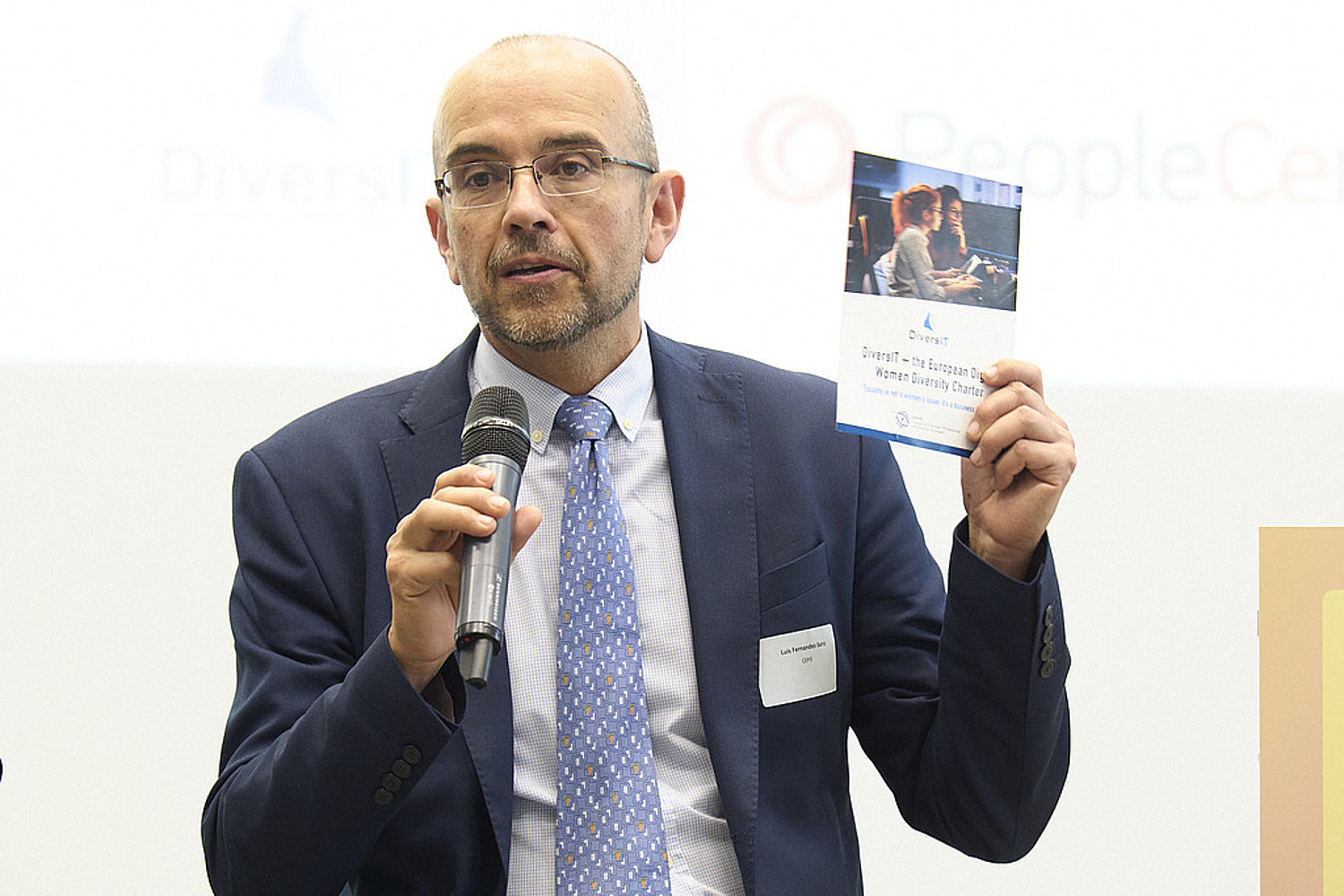
Prof. Dr. Luis Fernández-Sanz is a professor of computer science at the University of Alcalá in Spain and president of the Council of European Professional Informatics Societies (CEPIS). He studied computer science at the Universidad Politécnica de Madrid and earned his Ph.D. from the University of the Basque Country. His research focuses on software quality, digital literacy, and IT professionalism, among other topics. He is also actively involved in European research and education projects.
Zwischen Forschungsdaten und Robotern
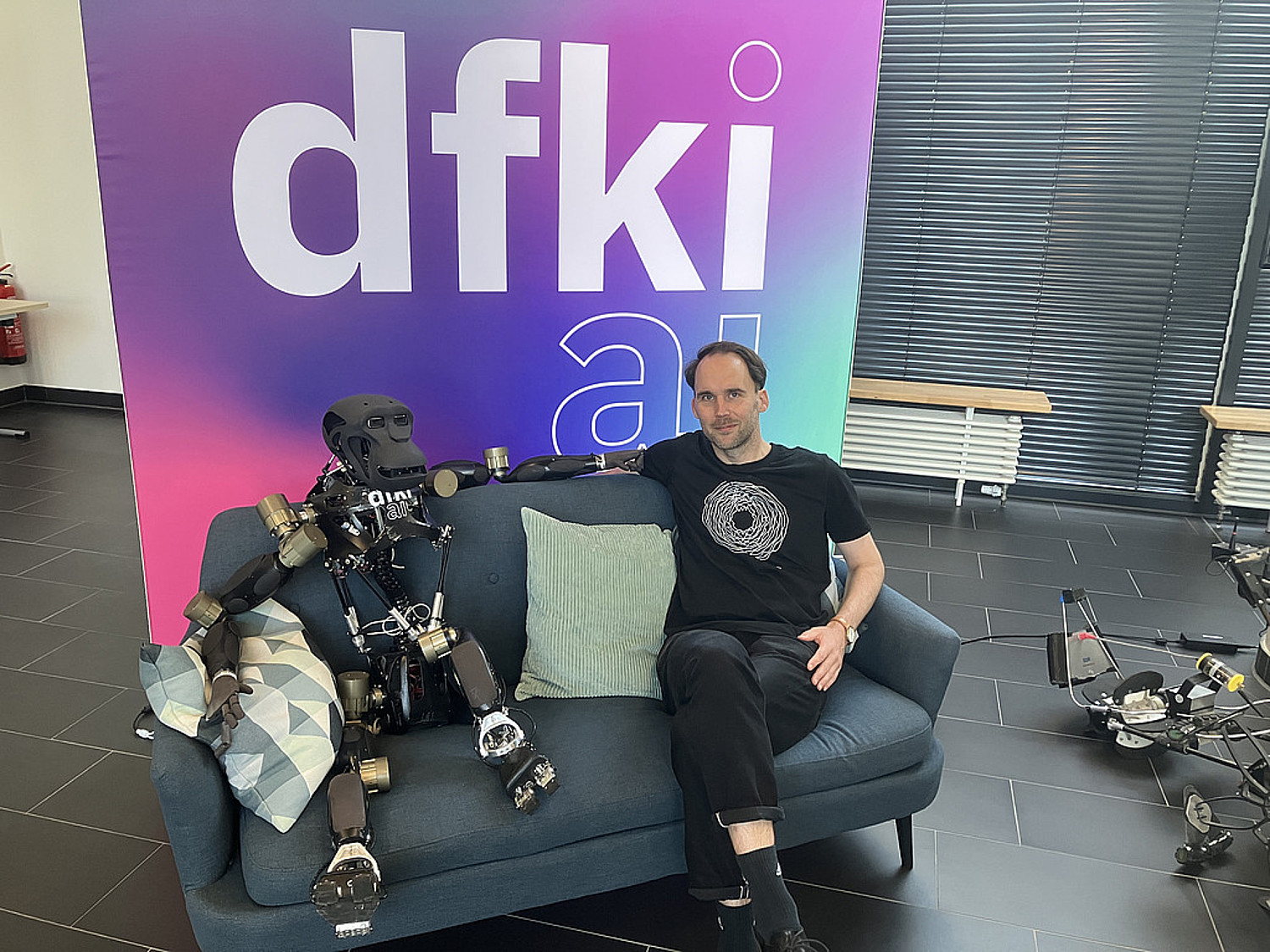
Bei der KI2026 in Bremen brachte NFDIxCS Forschungsdatenmanagement und künstliche Intelligenz zusammen – zwischen Robotern und auf dem Wasser.
Wie lassen sich Forschungsdaten so organisieren, dass sie für KI-Anwendungen verlässlich und langfristig nutzbar sind? Diese und viele weiteren Fragen ging NFDIxCS auf der KI2026 in Bremen nach. Auf der 49. Deutschen Konferenz für Künstliche Intelligenz brachte das Konsortium seine Perspektive auf die Verbindung von KI und Forschungsdatenmanagement in den Austausch mit Forschenden und Vertreter*innen aus der Praxis ein.
Am NFDIxCS-Stand informierten Patrick Brunner und Gereon Rahnfeld über die Arbeit des Projekts und sprachen mit den Teilnehmenden über das Potenzial eines Research Data Management Containers für die KI-Forschung. Der RDMC soll Forschende dabei unterstützen, ihr Forschungsdatenmanagement strukturiert und nachvollziehbar in den wissenschaftlichen Arbeitsprozess zu integrieren. Zugleich bot die Konferenz Gelegenheit, das neu veröffentlichte Whitepaper „AI in Research Data Management“ einem Fachpublikum vorzustellen. Die Posterpräsentation fand in einem besonderen Rahmen statt: während einer gemeinsamen Bootsfahrt auf der Weser.
NFDIxCS...
... ist das Informatik-Konsortium der Nationalen Forschungsdateninfrastruktur (NFDI). Es entwickelt eine gemeinsame Grundlage für einen besseren Umgang mit Forschungsdaten, ganz nach den FAIR-Prinzipien: Findable (auffindbar), Accessible (zugänglich), Interoperable (interoperabel) und Reusable (nachnutzbar).